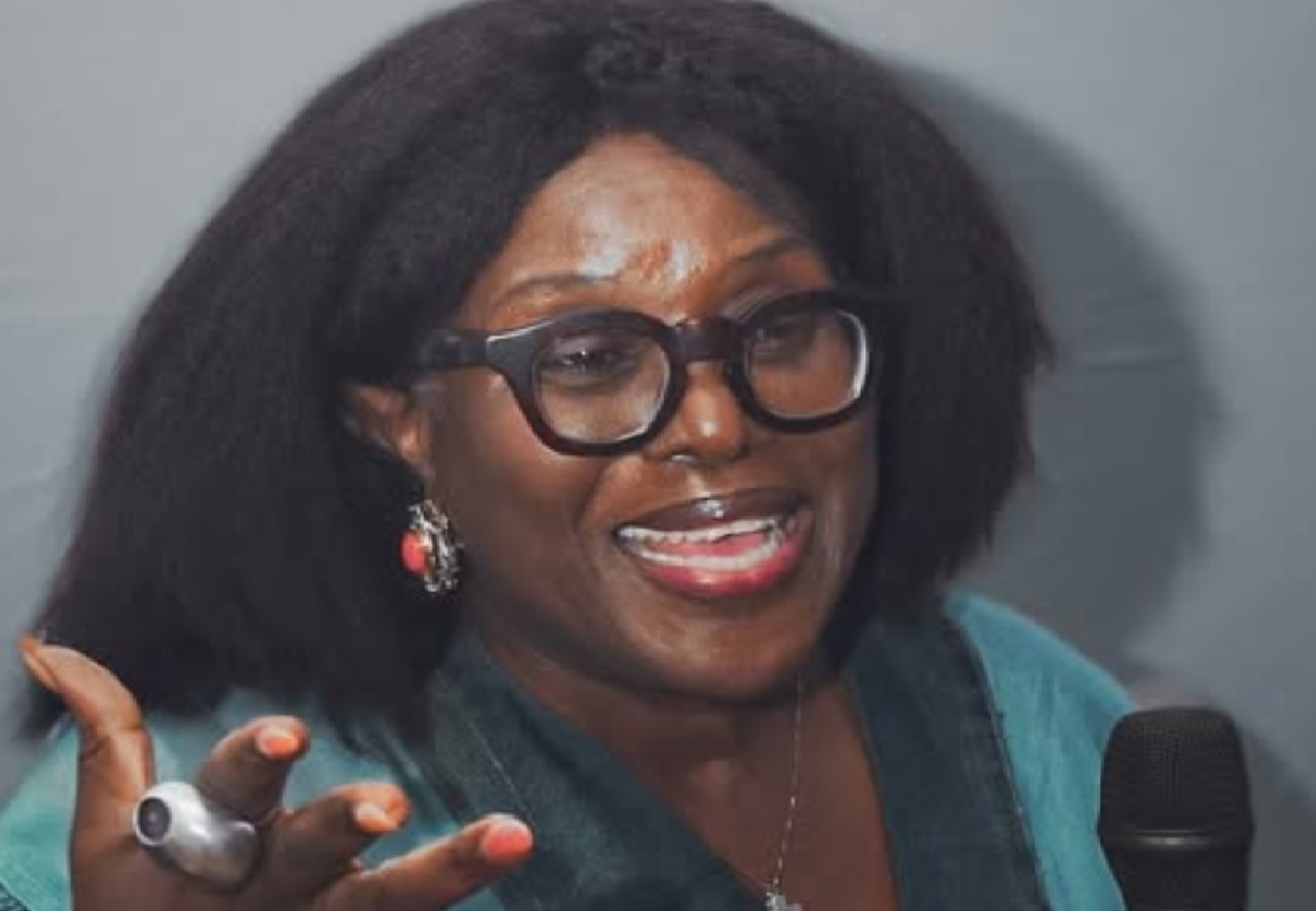
The exponential growth of Nollywood over the past two decades has yet to prove that prominence guarantees credibility. Several key areas in the industry still require attention to ensure sustainable growth, professional standards, and global competitiveness.
In a recent panel discussion, leading industry practitioners and educators shared insights on the state of creative training, skill gaps, and strategies for empowering filmmakers.
Balancing Creativity and Business Acumen
The topic of training students not only in the creative aspects of filmmaking but also in business skills has become increasingly important. According to Ronya Man, founder of RMA, Ronya Man Arts, RMA “students are excellent when it comes to not just being good at the creative side but also the business side.”
The discussion further veers into the issues of collaborations and university curricula.
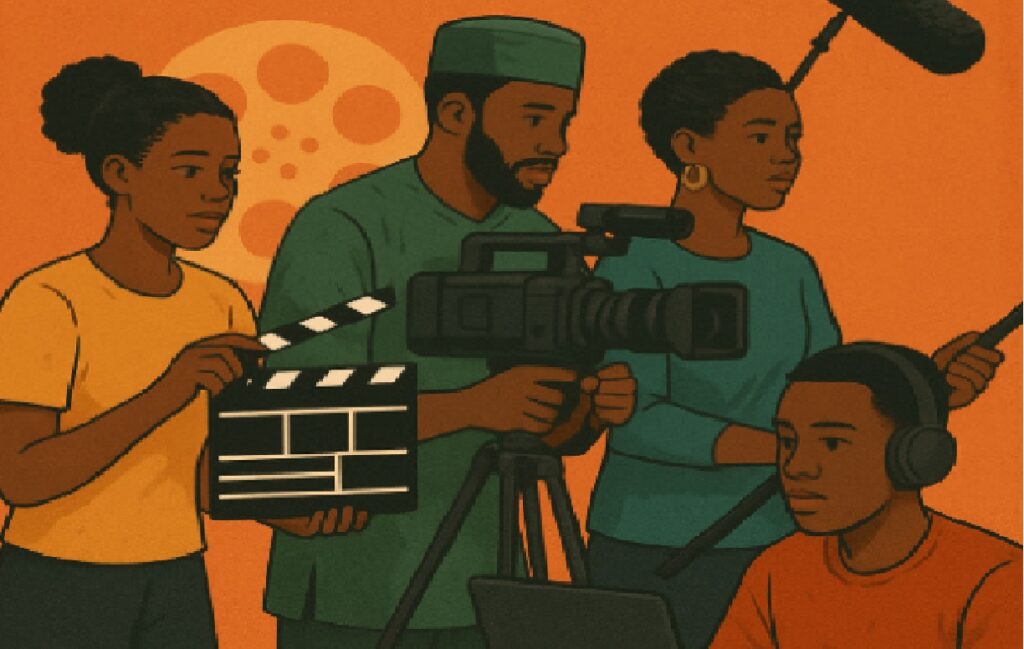
When a guest asked about the adequacy of university programs in preparing students for creative careers, Joke Silva agreed that university education provides foundational knowledge. However, current curricula are not robust enough to fully prepare students for industry demands.
She added that a university degree lays the groundwork, but practical, experiential learning is what truly prepares students for the industry. Exposure to real industry practices, working with professionals, and hands-on experience help bridge the gap between theory and practice.
They advocated for stronger collaborations between academic institutions and industry stakeholders to ensure curricula reflect practical needs.
Experiential learning was highlighted as a crucial component. “By bringing people from industry into the classroom and exposing students to ongoing industry practices, they gain a real sense of what it means to work in the field,” Joke Silva noted.
- Content Creator, Honour Making Infidelity Entertaining and the Whole New Level
- German Film Platform, Rushlake Media Enters Distribution Deal With FilmOne, InkBlot
- Highlights of Late Buhari’s Granddaughter’s Wedding Attended by Political Figures
Government Intervention in Performing Arts
According to Joke Silva, “Our media, at the base level, is not in Nigerian hands.”
She further noted that Nigeria runs the majority of the film production within the country and the media space in Africa. However, the weight of running them is left to external bodies and sometimes foreign organisations like ROK Studios which is backed by CANAL+ at its base. Nigeria has to “own its own media” she said.
The country lacks a an academy of performing arts institute, she lamented. Citing the foundation of Multichoice, Joke Silva explained that, Nigeria needs to take the reins of production in Africa as it has the ability to do so.
She further said that part of the intervention funds from the government should be geared toward vocational traing for the perfomring arts in the country.
The overarching takeaway from the discussion is that while Nollywood is thriving, sustained growth requires a multifaceted approach.
Strengthening curricula, bridging technical skill gaps, emphasizing professionalism, and empowering indie filmmakers to take initiative in building visibility and credibility.