
Without Netflix’s Big Spending in 2025, Nollywood Remains at a Crossroads. Netflix’s decision to scale back its investment in Nigerian film production is stirring significant conversation across the African entertainment landscape.
Once seen as a powerful catalyst for Nollywood’s global ascent, the streaming giant’s new strategy suggests a more cautious approach to local content moving forward.
🎬 Kunle Afolayan: A Personal Victory Amid Industry Setbacks
Celebrated filmmaker Kunle Afolayan, whose Netflix original Aníkúlápó gained international acclaim, confirmed in a recent interview that while his series secured funding for two more seasons—both already completed—many peer projects commissioned at the same time have since been shelved.
💬 “The budget we are being given is tied to what we earn,” Afolayan said, signaling a broader shift to performance-based investments across the industry.
🎯 A Shift in Strategy: From Expansion to Selective Investment
Insiders reveal that Netflix is transitioning from broad commissioning to a more selective African licensing model. While the company reaffirms its commitment to African storytelling, its investment approach is increasingly focused on projects with proven commercial potential.
This change mirrors similar moves by Amazon Prime Video, which earlier this year cut back investments in Africa and the Middle East to prioritize European content, underscoring a global trend among streamers to consolidate resources.
- Content Creator, Honour Making Infidelity Entertaining and the Whole New Level
- German Film Platform, Rushlake Media Enters Distribution Deal With FilmOne, InkBlot
- Highlights of Late Buhari’s Granddaughter’s Wedding Attended by Political Figures
- What it Will Take for Nollywood to Win the Oscars 2026
- Joke Silva Discusses Insufficient Skills and Lack of Education With Nollywood Professionals
📊 Netflix’s Impact in Nigeria (2016–2024)
Since entering the Nigerian market in 2016, Netflix has made notable contributions to the local film ecosystem:
| Metric | Value |
|---|---|
| Local Launch Year | 2016 |
| Total Investment | $23 million+ |
| Jobs Supported | Over 5,000 |
| Notable Productions | Lionheart, Blood Sisters, Shanty Town, King of Boys, Ijogbon |
These productions have helped elevate Nollywood’s global reputation and have introduced new audiences to African cinema.
💵 The Economics Behind the Decision
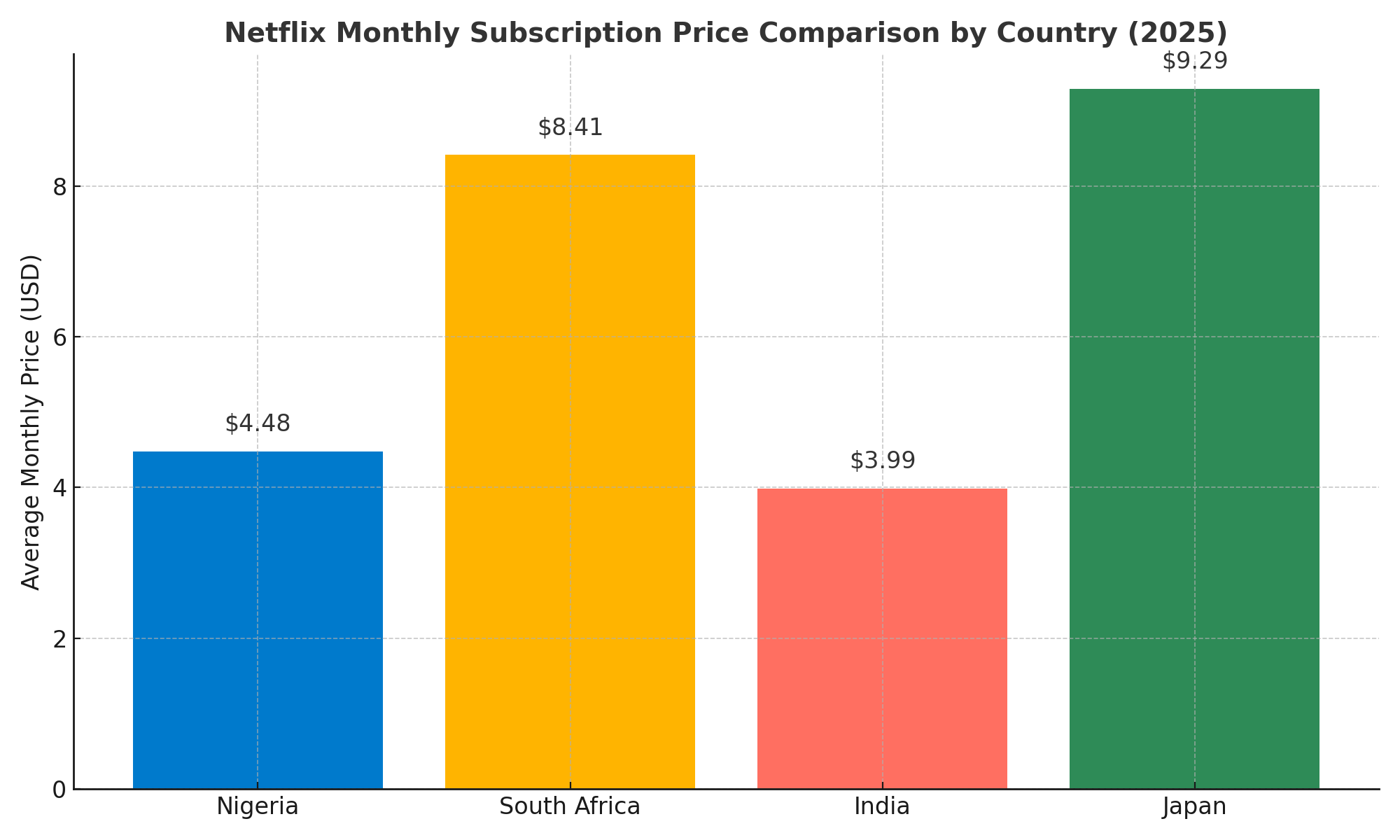
Despite its creative success, Nigeria presents unique financial challenges for global platforms. With an average monthly Netflix subscription of $4.48, the market’s revenue potential is significantly lower than in other countries, such as South Africa ($8.41) or emerging powerhouses like India, Japan, and South Korea.
This makes it difficult for platforms like Netflix to justify large-scale, long-term investments without high-performing returns.
🧭 Netflix: Recalibrating, Not Retreating
Amid speculation of a pullout, Netflix has reassured stakeholders of its continued interest in Nigerian stories.
💬 “We are not exiting. We will continue to invest in Nigerian stories to delight our members,” a Netflix spokesperson told BusinessDay.
However, future investments are expected to prioritize content licensing, data-driven commissioning, and globally viable narratives.
🎥 What This Means for Nollywood Creatives
Nollywood is entering a new era of accountability and innovation. Broad-based funding may be winding down, but for filmmakers capable of crafting globally appealing, locally grounded stories, new opportunities will emerge.
🎤 “This is a turning point,” says media analyst Ifeoma Onuoha. “The next wave of Nigerian filmmakers must merge creativity with business acumen to succeed in this new landscape.”
Adapting to a New Reality
Netflix’s recalibration is not the end of its relationship with Nigeria—it’s a strategic evolution. Nollywood now stands at a crossroads where only the most adaptable, visionary voices will thrive.
The age of high-volume content deals may be fading, but in its place is an era that rewards excellence, strategy, and global resonance.
For those ready to meet the moment, the future of Nigerian cinema remains rich with promise.