Primary Look At Gender Inequality In Movies From Africa
Subtitle not available for older content.

Christina Ngene
I am a movie enthusiast with a passion for writing and a desire to see the African movie industries grow. I try to use my skills as an artist to cheer for Nollywood by writing for NollyMania. • Syndicate Correspondent

All movie industries whether in the U.S, India or Africa are at some point going to synchronise on women related subjects. Diversity and inclusivity in African movies are still very confusing, but Africa can get gender inequality right if they want to.
Film productions in Africa can begin to review every project before production to ensure it is gender-balanced.
We have drawn some principles from the Bechdel Test and the Geena Davis Inclusion Quotient (GD-IQ) to assess gender imbalance in African movies.
We just want to change things for women in Africa and to have a database of movies that show examples of gender balance in their cast.
‘Mean’ Women’s Day – A Love Feast For Women Who Are Mean To Others
Top International Women’s Day Films Picked Out on Netflix
Are African Movies Not Ready For A Review On Gender Imbalance?
Ascertaining the presence of a woman is in key roles of every film projects have become easy.
The principles mentioned earlier are used to balance the roles of men with those of women in film. It is also getting more people to become more conscious of the neglect, inactivity and less screen time of female actors.
Africa can use the same tools to check gender inequality in key roles when making movies. Those key roles include:
- Writer
- Director
- Producer
- Lead
- Co-lead
- Head of crew departments
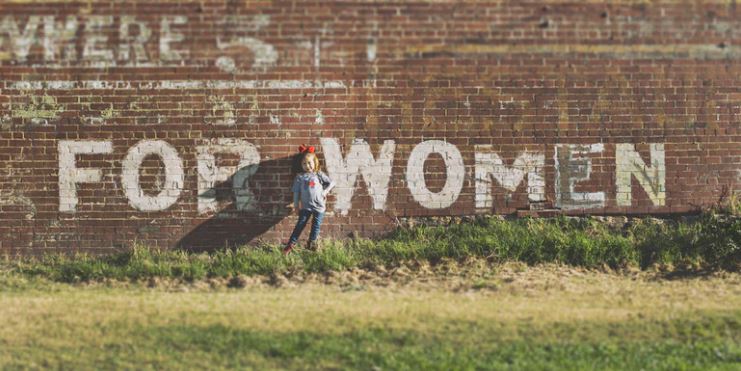
Additionally, African movies are still very guilty of one thing – stereotypically portraying women as submissive and petty while presenting men as strong.
This is having terrible consequences and no woman can be a role model if she only plays weak submissive roles.
Young women have been inspired more by watching female characters who are doctors, engineers and scientists. In assessing these lapses, there are a few things on our checklist:
- Are women paying active roles?
- How much does the role require her to speak? Too few, or moderate
- Is the character a strong one that makes her own decisions?
- How does a movie address issues that affect the affairs of women in Africa?
- Does it portray women as victims or people of power?
- Is the message delivered through the eyes of women?
- Also, those professions that women think are off-limit for them, how is a movie saying otherwise?
- Most importantly, how does the movie intend to empower women?
Please Like and follow us on Facebook, Twitter and Instagram.
Review the Journal Analysis
Submit your direct sentiment evaluation on this report.
Cohort Debate (0)
No active discourse has registered. Be the first to start the debrief.